Professional
Dog Training Charlotte NC
Sally Said So Professional Dog Training in Charlotte is your locally owned source of expert dog trainers.
How long does training last, and how quickly will I notice progress?
Most families begin seeing meaningful improvements within 30 to 90 days using proven, reward-based methods. Because every dog and household is different, we create a personalized training plan tailored to your specific goals. Sessions start at home—where your dog is most comfortable—before gradually transitioning to real-world environments so the new skills hold up in everyday life.
The best dog training experience throughout Charlotte

Which positive-reinforcement approach works best for my dog?
Our Philosophy: Decisions, Not Dominance — Not Control Through Force
At Sally Said So, our training is built on the belief that dogs are capable thinkers, not animals that need to be overpowered. We focus on helping dogs learn how to make appropriate decisions, rather than relying solely on treats or outdated dominance theories. This thoughtful, science-informed approach—supported by veterinary professionals—develops lasting behavior change while strengthening the relationship between you and your dog.
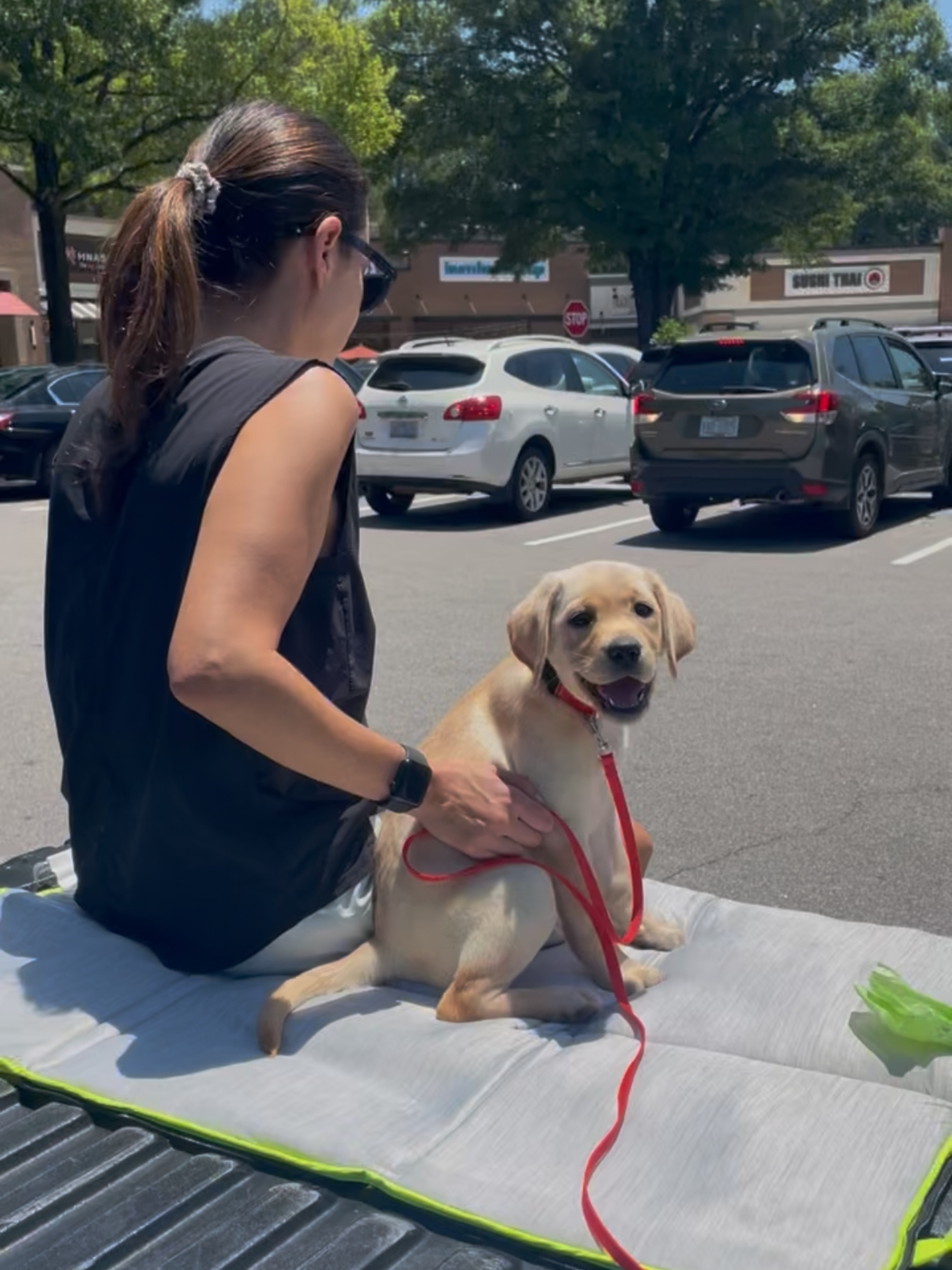
Inside Our Decisions, Not Dominance Method
- Reduce Exposure to Triggers: Begin training at home to prevent your dog from rehearsing unwanted behaviors while you build new, appropriate responses in a controlled setting.
- Reinforce Better Decisions: Guide your dog toward desirable behaviors using fair, consistent feedback and meaningful rewards so they learn what works.
- Reward Appropriate Behavior: Strengthen good manners by providing valuable resources—such as attention, access, or treats—at the exact moment your dog makes the right choice.
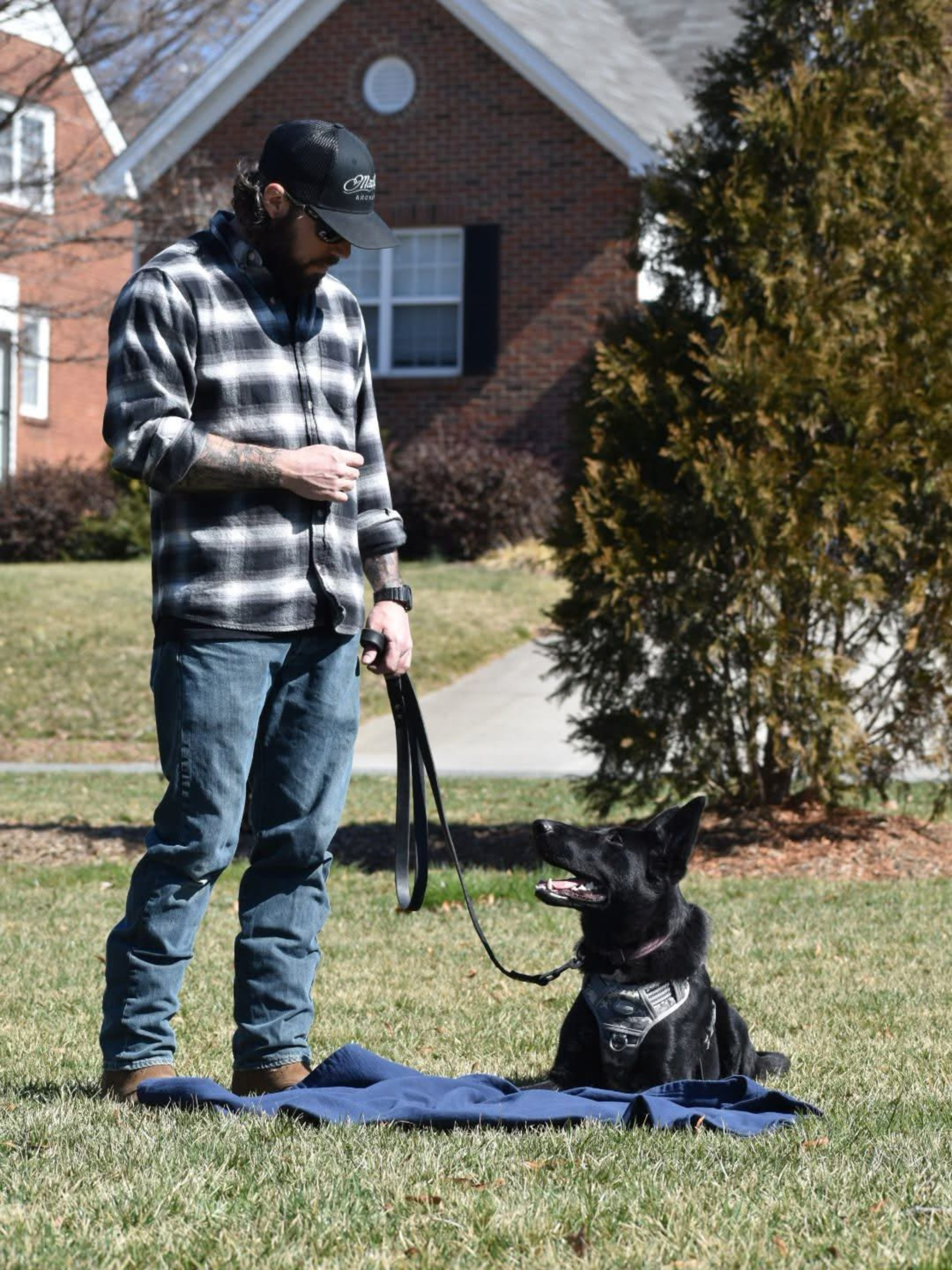
A Smarter Way to Train Your Dog
- Stronger Relationship: Treat-only approaches may lose effectiveness without food, and force-based methods can damage trust and confidence. A decision-focused model develops cooperation built on trust rather than dependency or intimidation.
- Works With Your Dog’s Mind: By tapping into your dog’s ability to think and learn, this approach encourages appropriate behavior without relying on constant rewards or physical pressure.
- Personalized Guidance: Each training plan is adapted to your dog’s temperament, history, and goals, providing support that is both effective and compassionate.
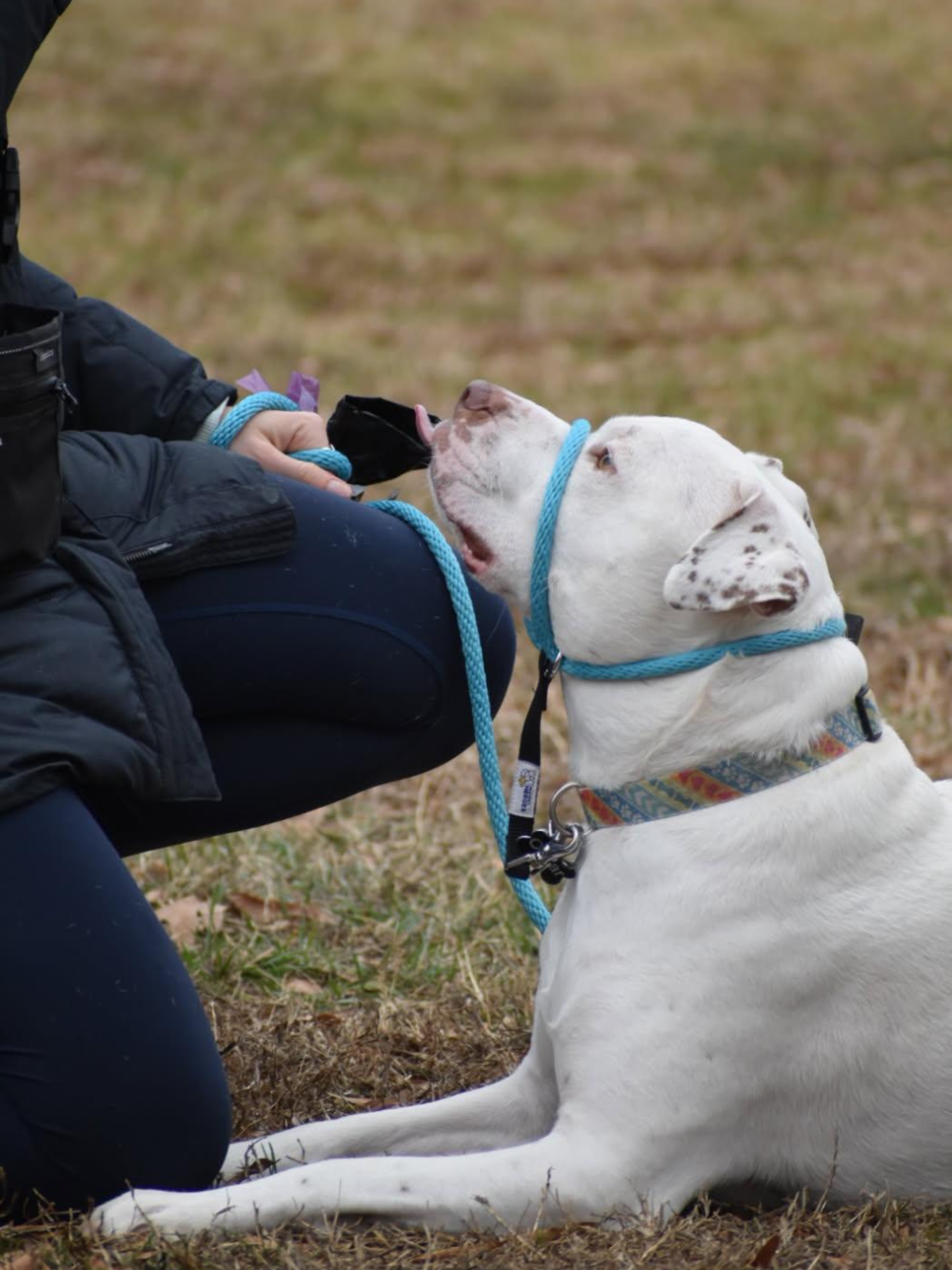
Strengthen Your Relationship with Your Dog
Decision-focused training creates a positive, cooperative partnership between you and your dog, built on mutual understanding rather than pressure or dependency. The result is a confident companion and a relationship rooted in trust, affection, and everyday harmony.
More dog training charlotte services:
Credentials That Set the Standard





How long does it take to train a dog?
Most families see noticeable improvement within 30-90 days, though the exact timeline depends on your dog’s age, temperament, history, and level of consistency at home. Puppies often learn quickly but require ongoing guidance, while behavior issues may take longer to resolve. Training is a process that builds lasting habits, not a one-time fix. Our Trainer on Retainer and Relief Right Now programs provide you with the level of support you need.
What is the best age to start puppy training?
Puppy training should begin as soon as your dog comes home — typically around 8 weeks old. Early training focuses on socialization, house manners, confidence, and preventing problem behaviors before they start. Starting early makes training easier and helps your puppy grow into a calm, well-adjusted adult dog.
Do you offer in-home dog training in Charlotte?
Yes! We provide in-home sessions because dogs learn best in the environment where they live. Training at home allows you to address real-life challenges such as jumping on guests, barking, leash issues, or anxiety. Once your dog is successful at home, our training progresses to public settings for reliability.
Can aggressive or reactive dogs be trained?
Yes — most reactive or aggressive behaviors can be significantly improved with the right plan. Training focuses on safety, management, and teaching alternative responses to triggers rather than simply suppressing behavior. Early intervention leads to the best outcomes, but dogs of any age can learn safer coping skills.
What training method is most effective for family dogs?
Effective training uses clear communication, consistency, and meaningful rewards to teach dogs how to behave in everyday situations. Methods that focus on helping dogs make good choices — rather than relying on punishment or constant treats — tend to produce reliable results and a stronger relationship between dog and owner.
Do you offer group dog training classes in Charlotte, NC?
Yes! Group classes are a great way to practice obedience skills around real-world distractions while helping your dog learn to stay calm and focused around other dogs and people. Classes typically cover foundational manners such as leash walking, sit, down, stay, and polite greetings. You can attend our group classes by first graduating from your private, in-home sessions.
Meet the Owner

Shane Gentry – Owner and Founder
Shane Gentry is the founder and owner of Sally Said So, a North Carolina–based dog training company that has grown to serve families across the Charlotte area. A lifelong animal enthusiast, Shane has dedicated his career to understanding canine behavior and helping owners build better relationships with their dogs. As a father and active member of the community, he brings both personal passion and extensive hands-on experience to his work, gained through years of volunteering and professional training. After working in the construction field, he pursued his long-held goal of becoming a specialist in dog behavior — leading to the creation of Sally Said So.
To develop his expertise, Shane completed rigorous certification programs through Animal Behavior College — the largest dog trainer school in the United States — as well as Canine Trade Group, a selective program focused on advanced in-home behavioral work. His experience extends beyond dogs; he has successfully trained a variety of species, including a goat and even a prairie dog. His own dogs have also gained recognition, appearing in national advertising campaigns for Twisted Tea and on NBC’s Young Rock television series.

Sally –The Dog that Started it All

Comprehensive Consultation
Our training approach begins with a two-hour meeting with an expert and marks the start of one-on-one training. During this we will discuss your dog’s training goals, evaluate their behavior and environment, and demonstrate some basic obedience skills. This may include basic commands like sit, “place,” and leash walking.

Private Training Sessions
Whether you’re looking for puppy training, obedience training, crate training, or behavior modification for aggression and anxiety, we offer private lessons no matter the dog breed, size, or temperament. We teach your dog and you the necessary skills to tackle any and all behavioral problems. These all-inclusive sessions can cover anything from leash training to housebreaking to separation anxiety and beyond. Looking for a budget-friendly dog training option?

Group Classes
Our group training classes are perfect for mastering the real world. These classes cover in-depth training beyond your basic skills. Your pup will benefit from these classes which involve distraction training, Canine Good Citizen or CGC skills, advanced obedience and more. These classes are an integral part of our Trainer on Retainer and Priority Programs.

Pre-Purchase and Adoption Consultation
Are you ready to add a best friend or new puppy to the family, but are nervous about finding “the one”? Our professional dog trainers will assist you in researching the right breed, temperament, and size for your family and lifestyle. We’ll take that research and then find you the right dog from our network of rescues and breeders.

Expecting Parents Program
Are you preparing for a new child? We can help you train your dog to minimize stress and improve your confidence in their behavior before your child arrives. This proactive approach will ensure a smooth transition for your dog, you, and your baby.

Therapy Dog Training
We train your dog to meet all necessary requirements for therapy dog certification. We are partners with Dogs With A Purpose, a therapy dog program, for testing and certification.
We’re Not One-Size-Fits-All Trainers
Behavior-Centered Training Approach
Our priority is lasting behavior change and your dog’s emotional health. Using evidence-based, reward-focused methods, we work to resolve the underlying causes of problem behaviors rather than simply managing the outward signs.
Personalized Training for Your Unique Dog
Because every dog and household is different, we design a plan specifically around your dog’s temperament, daily environment, and family routines. This customized approach ensures the skills you build are practical, sustainable, and easy to apply in everyday life.
From Foundations at Home to Reliability in Real Life
Training starts in your home, where your dog’s everyday habits are formed, then gradually expands to real-world settings such as sidewalks, shops, and busy public areas. This step-by-step progression helps ensure the behaviors you build remain dependable outside the house—not just in the living room.
Skilled Trainers with Ongoing Education
Our team consists of seasoned professionals who regularly pursue advanced training and continuing education. This commitment keeps them up to date on the latest developments in behavior science, learning principles, and humane, effective training methods.
Guidance for Owners, Not Just Dogs
Our focus extends beyond your dog to you as well. We teach you how to interpret your dog’s signals, give clear direction, and reinforce good habits so progress continues even after your formal sessions are complete.
Ongoing Support After Formal Training
Many families choose to stay connected through our continued support options, which help you handle new situations as your dog grows and life evolves. Because lasting success comes from guidance over time, not a single round of lessons.
Why Private Training First?
Board and train programs may help your dog learn skills, but they are removed from their home environment at a training facility. You need your dog to function at home. With us, you will be part of the process. Your dog truly wants to communicate with you, despite their frustrating behavior. While our programs include work with your dog, we spend plenty of time teaching you the tools you need to communicate with your dog.
We can’t recommend learning about your dog’s behavior enough. Our trainers prioritize the needs of the dog and offer a variety of positive reinforcement techniques, thus strengthening the bond between dog and owner.
If you want the best dog training that involves work with your dog and YOU, call us and let’s discuss your dog’s specific needs.
Does Sally Said So provide in home dog training near me?
Sally Said So offers in-home training throughout the Charlotte area. If you don’t see your city listed below, contact us to see if we travel there!
Belmont
Charlotte
Concord
Davidson
Denver
Fort Mill, SC
Huntersville
Kannapolis
Mint Hill
Mooresville
Monroe
Pineville
Waxhaw
Ready to Get Started With Your Dog?
Whether you’re dealing with behavior challenges or planning ahead with a new puppy, we’re here to help you take the next step with confidence.
Email Us
Follow Us
